Wide selection of displays with Smart functionality present in the device
SMART DISPLAY
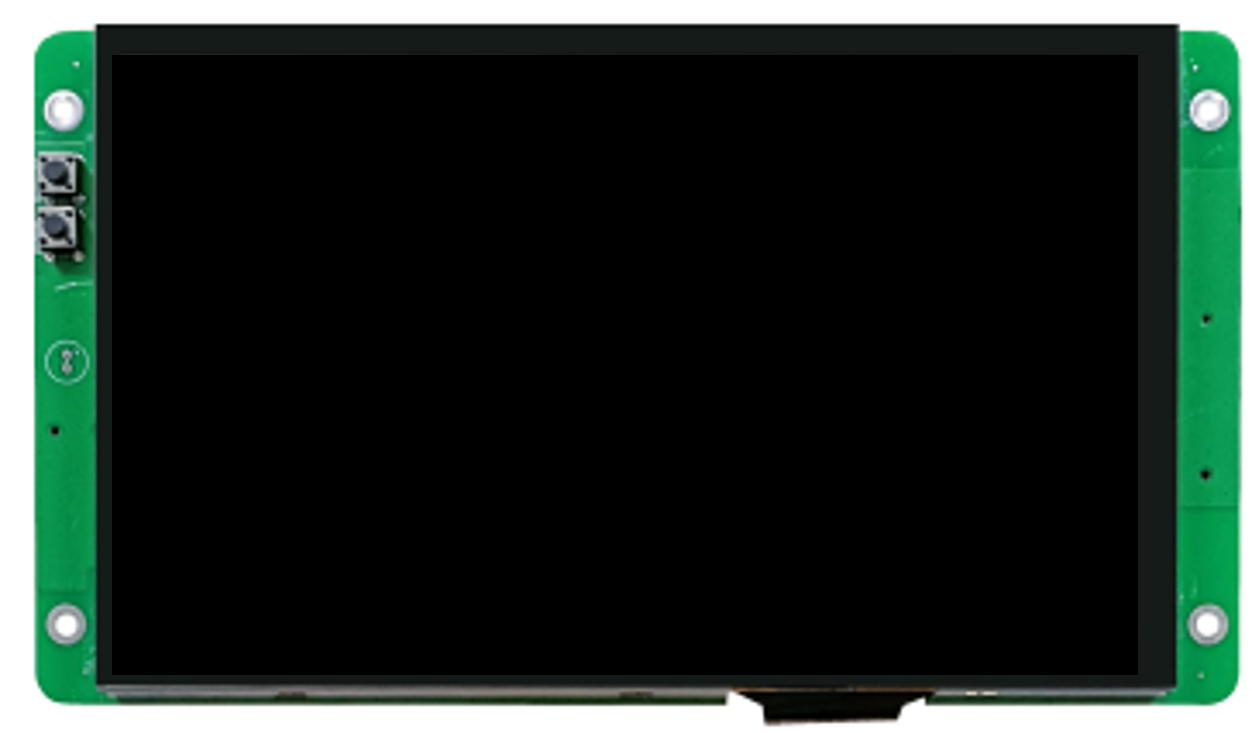
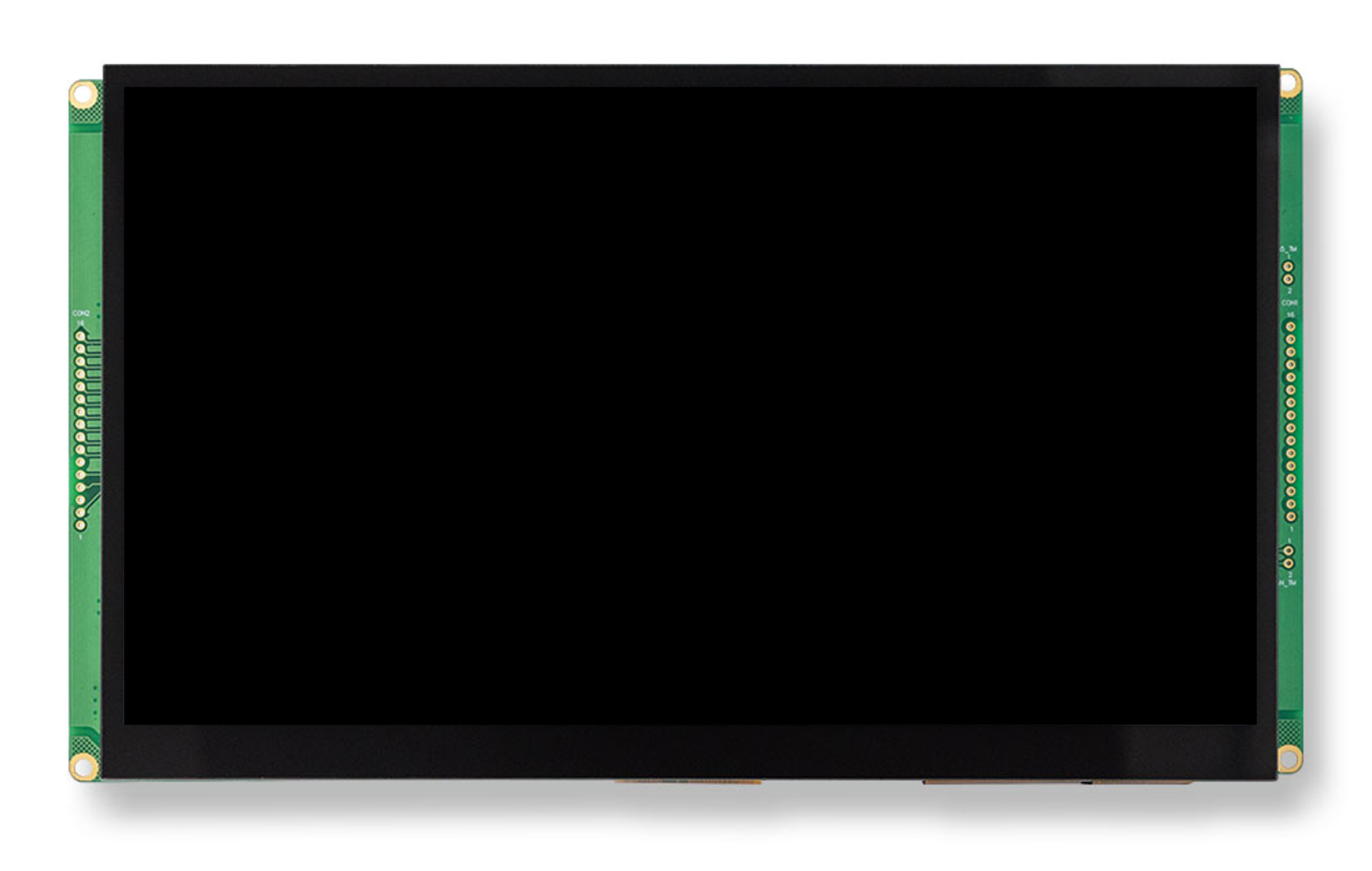
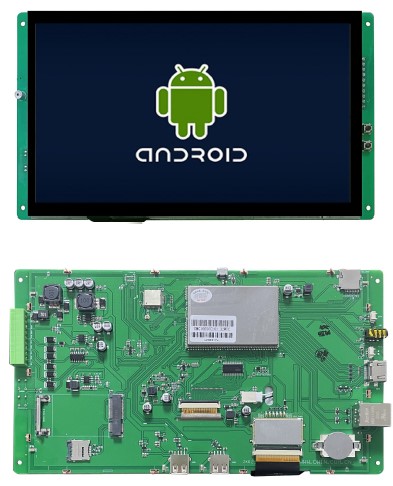
The smart displays proposed by Digimax offer a wide range of advantages thanks to their intrinsic characteristics. What differentiates smart displays from the more classic TFT LCD screens are precisely the functions available and already present on board the monitor. A smart display is in fact an all-in-one display device that does not require additional external cards to guarantee the performance of the various operations.
Discover all categories
Filtra per
-
- Select a value
-
- Select a value
-
Results
Sort by
Elements per page
No exact match, try with fewer filters or a more generic term
Smart Display: features and functionality
By Smart Display we mean all those devices (generally TFT displays), with or without touch, characterized by a controller or microcontroller inside which there may be various functions (Wi-Fi, Bluetooth, etc.). What differentiates these displays from classic TFT LCDs are precisely the features that are already on board them. A smart display is an all in one device that does not require additional external cards to carry out the various operations.
The main strengths of this type of display are:
User interface with high resolution graphics and pre-existing objects;
No need to write software in code;
Functionality control via simple script commands;
Significantly reduced user interface development times;
High transmission speed and long transmission distance (up to 40 meters) thanks to the CAN bus interface;
Ability to integrate with industrial control and monitoring systems, via advanced Ethernet, Modbus or Profibus connections, receiving real-time data from industrial sensors and automation systems and allowing operators to view and monitor critical information directly on the screen.
Customization and implementation of Smart Display
There are many uses for smart displays in the industrial sector, from monitoring production parameters in real time, to displaying flows and graphs, reporting alarms and warnings and sharing automated messages.
Digimax consultancy allows you to identify tailor-made solutions for different industrial needs, customizing dimensions, resolutions, components, physical supports and specific characteristics such as resistance to atmospheric agents and electromagnetic interference.
The services offered by Digimax also cover the analysis, testing, testing and assembly of custom peripherals and operating systems, to guarantee unique, reliable and ready-to-use solutions.

Frequently Asked Questions
Cos'è uno Smart Display e in cosa si differenzia da un display TFT tradizionale?
Uno Smart Display integra al proprio interno un modulo di elaborazione (controller o SoC) che consente di gestire contenuti e interfacce grafiche senza necessità di una scheda esterna. A differenza di un display TFT tradizionale che richiede un host esterno per funzionare, uno Smart Display può ricevere comandi semplificati via seriale (UART, SPI) e gestire autonomamente la visualizzazione, l'animazione e l'interazione touch.
In quali applicazioni industriali vengono utilizzati gli Smart Display?
Gli Smart Display trovano impiego in applicazioni che richiedono interfacce HMI (Human Machine Interface) compatte e autonome, senza la necessità di un PC industriale dedicato: pannelli di controllo per automazione, macchine vending, elettrodomestici professionali, sistemi di building automation, dispositivi medicali portatili e attrezzature per il retail. La loro semplicità di integrazione li rende ideali per ridurre i costi e i tempi di sviluppo di interfacce utente embedded.
Quali dimensioni e risoluzioni sono disponibili per gli Smart Display Digimax?
Il catalogo Digimax include Smart Display in diverse dimensioni, con risoluzioni variabili in base al formato. I modelli Winstar e DWIN coprono un range che va da schermi compatti per applicazioni embedded a pannelli di medie dimensioni per HMI più elaborate. Per identificare la combinazione ottimale di dimensione, risoluzione e interfaccia in base al proprio progetto, è disponibile consulenza tecnica specializzata.